

AI Anxiety
The term "Artificial Intelligence" (AI) anxiety describes the fear, stress, distress, and trepidation that people feel in response to the development and increasing role of artificial intelligence in daily life. As the technology advances, people are becoming anxious about its future consequences, especially relating to jobs, privacy, autonomy, and the long-term survival of humanity. [1] [2] AI anxiety's history dates back to the development of modern computers. During this period, people also had a sense of fear, seeing the new technology as threatening the idea of what it means to be human. [2] However, according to Li and Huang (2020), AI anxiety differs from computer anxiety. For example, a computer can perform human work, but it operates mechanically; AI can make autonomous decisions and operate independently from humans. AI also raises ethical issues between humans and machines, something that computer anxiety is not typically associated with. [3]
As people grapple with a high rate of change in the present and uncertainty about the future, this type of anxiety is becoming a recognized phenomenon among psychologists, sociologists, and clinicians. [4] With the accessibility of generative AI tools like ChatGPT, Claude, Gemini, and image generators such as Midjourney, and the proliferation of headlines about robots taking over jobs, many workers report anxiety about their future and question the relevancy of their skills in the future labour market. [5] Psychologically, this can be rooted in the sense that for many people, a job is more than just a means of making a living. It is an essential part of their identity and provides a sense of purpose. [1]
The fear of the unknown has always been associated with technology. Regarding AI, the anxiety seems to come not only from the fear of mass unemployment but also from concerns about machine intelligence, superintelligence, and whether the wrong people will have its power available to them. [6] For example, a survey conducted by the Harris Poll and MITRE during February 2023 found that 78 percent of Americans were concerned that AI could be used for malicious intent. [7] By 2025, a Pew Research Center survey found that 52 percent of U.S. adults felt more concerned than excited about the increased use of AI in daily life, with only 10 percent feeling more excited than concerned. [25]
According to Lemay et al. (2020), "Wang and Wang situate AI anxiety with respect to technophobia, which they define as an irrational fear of technology characterized by negative attitudes toward technology, anxiety about the future impacts of advancing technology, and self-admonishing beliefs about their ability. They divide AI anxiety in two aspects, computer anxiety and robot anxiety. They term AI anxiety as a distinct and independent variable. They define AI anxiety as 'an overall, affective response of anxiety or fear that inhibits an individual from interacting with AI.'" [4] [8]
It is important to note that AI anxiety is not an officially recognized clinical diagnosis listed in the Diagnostic and Statistical Manual of Mental Disorders (DSM-5-TR) or in the World Health Organization's International Classification of Diseases (ICD-11). Rather, it is a descriptive label for a cluster of fear and stress responses that clinicians and researchers have begun to identify in patients, employees, students, and the general public. [22]
History and conceptual development
Fears about machines replacing humans long predate modern artificial intelligence. The Luddite movement of early 19th-century England, in which textile workers destroyed mechanized looms and stocking frames, is often cited as an early case of automation anxiety. [27] The Industrial Revolution displaced craft workers and lowered wages for unskilled labor during much of its first wave, fueling cultural panic about machines as a threat to livelihood and human dignity. [27]
In the mid-20th century, the rise of mainframe computing and early factory robots produced another distinct wave of anxiety. In the early 1960s, the Kennedy administration explicitly took up the question of automation, and U.S. Secretary of Labor Willard Wirtz warned of workers being left on a "slag heap." [28] Time magazine ran cover stories on "the automation jobless," and the introduction of the Unimate industrial robot at a General Motors plant in 1961 symbolized a new era of machine substitution for manual labor. [28] Although the dire predictions of mass unemployment never fully materialized in that era, the rhetoric of automation anxiety established a template that contemporary AI anxiety follows closely.
The term "AI anxiety" itself became widely adopted in scholarly literature after Deborah G. Johnson and Mario Verdicchio published a 2017 essay titled "AI Anxiety" in the Journal of the Association for Information Science and Technology. [2] Two years later, Yu-Yin Wang and Yi-Shun Wang published a foundational psychometric paper in Interactive Learning Environments that operationalized the construct and produced the first validated AI Anxiety Scale (AIAS). [8] Together, the Johnson and Verdicchio essay and the Wang and Wang scale defined the modern research field. Li and Huang's 2020 study in Technology in Society expanded the construct further by mapping eight distinct sub-anxieties tied to specific AI attributes. [3]
Measurement scales
The psychological study of AI anxiety has produced several validated quantitative measures. The most widely used scale is the Wang and Wang Artificial Intelligence Anxiety Scale (often abbreviated AIAS-20 or AIAS-21 depending on the version), developed in 2019. The Brougham and Haar STARA scale, developed slightly earlier, targets workplace concerns about smart technology, AI, robotics, and algorithms.
| Instrument | Author and year | Items | Sub-dimensions | Notes |
|---|---|---|---|---|
| AIAS-20 / AIAS-21 (AI Anxiety Scale) | Wang and Wang, 2019 | 21 items (final validated version) | Learning, Job replacement, Sociotechnical blindness, AI configuration | Used in higher-education and consumer contexts; reliability coefficients above 0.91 for each subscale [8] |
| STARA Awareness Scale | Brougham and Haar, 2018 | 4 items | Single-factor measure of perceived risk that one's job will be replaced by smart technology, AI, robotics, or algorithms | Strongly associated with depression, cynicism, and turnover intention in employee samples [9] |
| Li and Huang AI Anxiety questionnaire | Li and Huang, 2020 | Multi-item survey | Privacy violation, Bias behavior, Job replacement, Learning, Existential risk, Ethics violation, Artificial consciousness, Lack of transparency | Grounded in integrated fear acquisition theory; emphasizes attributes unique to AI rather than to computers [3] |
| Terzi AIAS Turkish adaptation | Terzi, 2020 | 21 items | Same four factors as AIAS-20 | Cross-cultural validation in Turkish university samples [10] |
| AIAS Greek and Spanish adaptations | Various, 2023 to 2025 | 20 to 21 items | Same four factors as AIAS-20 | Cross-cultural validation confirms broadly stable factor structure with some translation-specific variance [10] |
Wang and Wang began with a pool of 59 candidate items derived from existing technology-anxiety research. Expert review eliminated 9 redundant items, and exploratory and confirmatory factor analyses on a sample of 301 participants reduced the final scale to 21 items distributed across four factors: Learning, Job replacement, Sociotechnical blindness, and AI configuration. Reliability coefficients (Cronbach's alpha) were 0.974 for Learning, 0.917 for Job replacement, 0.917 for Sociotechnical blindness, and 0.916 for AI configuration. The scale demonstrated good content, convergent, discriminant, and nomological validity. [8]
The STARA Awareness scale from Christian Brougham and Jarrod Haar in the Journal of Management and Organization is shorter and more workplace-focused. Its four items ask employees whether they think their job could be replaced by smart technology, artificial intelligence, robotics, or algorithms, and whether they are personally worried about their future at work because of these technologies. Higher STARA awareness has been positively associated with cynicism, turnover intention, and depressive symptoms, and negatively associated with organizational commitment and career satisfaction. [9]
Prevalence and survey data
Large-sample surveys conducted from 2022 onward consistently show that majorities of the general public in many countries feel concerned about AI, although levels of trust and excitement vary considerably across regions.
| Source and year | Sample and region | Key statistic | Direction |
|---|---|---|---|
| Pew Research Center, August 2023 | U.S. adults | 52 percent more concerned than excited about AI; up 14 points from 2021 | Increased concern [11] |
| Pew Research Center, April 2025 | U.S. adults and AI experts (5,410 adults, 1,013 experts) | 51 percent of public more concerned than excited; only 15 percent of experts more concerned than excited | Public-expert gap [25] |
| Harris Poll and MITRE, February 2023 | U.S. adults | 78 percent concerned that AI could be used for malicious intent | High malicious-use concern [7] |
| Edelman Trust Barometer, 2024 | Global, 28 countries | Trust in AI fell to 32 percent in the U.S. and to 36 percent in the UK, while remaining at 72 percent in China | Geographic divide [12] |
| Edelman Trust Barometer, 2025 flash poll | Global | 59 percent of global employees fear job displacement from automation | Workplace fear [12] |
| Pew Research Center, April 2025 | U.S. adults | 64 percent expect AI to lead to fewer jobs over the next 20 years; 43 percent expect personal harm from AI | Long-term pessimism [25] |
| Undetectable AI Research, 2024 | U.S. consumers | 85 percent say deepfake content has eroded trust in online information; 81 percent fear personal harm from fake audio or video | Deepfake distrust [13] |
| Harris Poll and MITRE, 2023 | U.S. adults | 82 percent agreed AI should be regulated more strictly | Demand for regulation [7] |
The gap between the general public and AI experts is one of the most consistent findings in survey research. A 2025 Pew Research Center study, conducted with the National Center for Supercomputing Applications, surveyed 1,013 self-identified AI experts alongside 5,410 U.S. adults. Among experts, 47 percent reported feeling more excited than concerned about AI, while only 11 percent of the general public felt this way. Conversely, 56 percent of the general public reported being highly concerned about job loss from AI, compared with 25 percent of experts. [25]
Demographic patterns are also visible. Women, older adults, lower-income respondents, and people of color tend to report higher levels of concern across most surveys. [12] [25] Interestingly, frequent users of AI tools tend to report lower levels of anxiety than nonusers, suggesting that direct experience may reduce some forms of dread, although it can also introduce new worries related to dependency and reliability. [12]
Factors contributing to AI anxiety
Some studies have examined the causal factors for AI anxiety. Lemay et al. (2020) studied the relationship between a person's belief about AI and levels of anxiety relating to their technology-based predispositions. They concluded that "AI anxiety runs through a spectrum and is influenced by real, practical consequences of immediate effects of increased automation but also influenced by popular representations and discussions of the negative consequences of artificial general intelligence and killer robots." [4] The discussion below focuses on contributing factors identified by Johnson and Verdicchio (2017), Wang and Wang (2019), and Li and Huang (2020), supplemented by more recent empirical findings.
Johnson and Verdicchio (2017)
Sociotechnical blindness
Johnson and Verdicchio (2017) note that the expression of AI anxiety generally abstracts AI technology out of the context of its use and existence. It ignores the human beings, social institutions, and arrangements that provide AI with its functional capacity and meaning. The behavior of AI programs only has significance in relation to the technological systems that serve human purposes. [2]
They distinguish AI programs from AI sociotechnical systems, where programs are just lines of code and AI systems consist of code together with the context in which the code is used. AI anxiety generally results from a focus on AI programs, "leaving out of the picture the human beings and human behavior that create, deploy, maintain, and assign meaning to AI program operations." Sociotechnical blindness leads to a lack of understanding that AI is a system that operates in conjunction with people and social institutions. Therefore, according to the researchers, sociotechnical blindness enables the development of unrealistic scenarios because the human part of the overall system is left out. [2]
Confusion about autonomy
Thinking of AI as autonomous without taking into account what counts as autonomy is another contributing factor for AI anxiety. The concept of autonomy is not the same when applied to humans compared to computational entities. In humans, this concept is associated with the capacity to make decisions, to choose, to act, which is connected to ideas regarding human freedom. Traditionally, these have been used to distinguish humans from both living and nonliving entities and serve as a basis for morality. As Johnson and Verdicchio (2017) mention, "Only beings with autonomy can be expected to conform their behavior to rules and laws." [2]
The research authors mention that when non-experts hear about machine autonomy, they attribute to it the same characteristic as what humans have, including the freedom to choose behavior. This comes into play in concerns about "autonomous" AI. However, computational autonomy, where the programmer cannot know in advance the precise outcomes of the programs, is defined in terms of software and hardware processes, and does not directly correlate to human autonomy unless computer scientists accept computationalism. [2]
Technological development
Finally, the authors mention having an inaccurate conception of technological development as another contributor to AI anxiety. "Futuristic AI scenarios jump to the endpoint of a path of technological development without thinking carefully about the steps necessary in order to get to that endpoint." [2]
The developmental path that AI will take in the future is not clear, with each step requiring human decisions. As AI advances, human decision making might decrease but it will be part of the overall process in one way or another. Neglecting the role of humans in technological development leads to futurists centering their narratives around superintelligent AI that evolves into a dangerous entity apart from humanity. [2]
Li and Huang (2020)
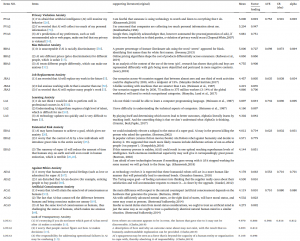 Figure 1. Contributing factors for AI anxiety and supporting literature. Source: Li and Huang (2020).
Li and Huang (2020) [3] identified eight anxieties that may contribute to overall AI anxiety, listed in the table below alongside the example mechanisms they identified.
| Sub-anxiety | Description | Example trigger |
|---|---|---|
| Privacy violation anxiety | Concern that AI will breach personal informational boundaries | Targeted advertising, face recognition, voice-cloning [3] |
| Bias behavior anxiety | Concern that AI will treat users unfairly or discriminate | Different outcomes for different groups due to biased training data [3] |
| Job replacement anxiety | Concern about being substituted by AI in one's occupation | News about layoffs attributed to AI [3] |
| Learning anxiety | Self-doubt about being able to learn AI tools | Lack of confidence in adopting new software [3] |
| Existential risk anxiety | Concern that AI may threaten human survival | News about AI alignment failures or rogue agents [3] |
| Ethics violation anxiety | Concern that AI will act against human moral norms | AI-generated misinformation, deception, manipulation [3] |
| Artificial consciousness anxiety | Concern that AI may destroy the particularity of human intelligence | Claims about AI sentience or consciousness [3] |
| Lack of transparency anxiety | Concern arising from opaque AI decision making | Black-box algorithmic decisions in lending, hiring, or justice [3] |
Li and Huang grounded their model in integrated fear acquisition theory, which posits that fear can be acquired through direct conditioning, vicarious learning, and information transmission. Each of the eight sub-anxieties can be triggered by any combination of these pathways. [3]
Additional sources of contemporary AI anxiety
Research published after Wang and Wang and Li and Huang has identified several additional drivers that have become particularly salient since the public release of ChatGPT in November 2022.
| Driver | Description and evidence |
|---|---|
| Job displacement from AI | A 2013 study by Carl Benedikt Frey and Michael Osborne at the University of Oxford estimated that 47 percent of U.S. jobs were at high risk of automation within 20 years, and was widely cited in subsequent reporting on AI fear [14]. Workers in transportation, office support, and production were assessed as most at risk. |
| Existential risk from AI | Public discussion intensified after the March 2023 Future of Life Institute open letter calling for a pause on giant AI experiments and the May 2023 "Statement on AI Risk" signed by hundreds of AI researchers and executives, which compared the risk to pandemics and nuclear war [15]. |
| Surveillance and biometric concerns | Widespread deployment of facial recognition, including the Clearview AI controversy in which billions of images were scraped from social media, has heightened anxieties about privacy and state surveillance [16]. |
| Deepfake deception | Survey data show 85 percent of Americans report eroded trust in online information because of deepfakes, and 81 percent fear personal harm from synthetic audio or video [13]. |
| AI hallucination and reliability | The tendency of large language models to produce plausible but false outputs reduces user trust. An empirical study analyzing about 3 million user reviews from 90 AI mobile apps documented widespread complaints about hallucination [17]. |
| AI FOMO (fear of missing out) | A 2025 study in Technology in Society defined AI FOMO at work as anxiety about being left behind by colleagues or competitors who adopt AI faster. Drivers include perceived skill devaluation, lost autonomy, and concerns over AI supervision [18]. |
| Peer surveillance among creatives | Writers and artists report reluctance to disclose AI use because of judgment from peers and audiences. Some deliberately use less effective phrasing to avoid sounding "too AI-like" [19]. |
| Inaccurate AI cheating accusations | Students report fear of being falsely flagged by AI-detection tools, which have well-documented accuracy problems, especially for non-native English writers [20]. |
Affected populations
Although AI anxiety can affect anyone, several populations show consistently higher levels of concern in published research.
| Population | Characteristic patterns |
|---|---|
| Knowledge workers | Workers in office, administrative, and analytical roles report among the highest STARA awareness scores. A 2018 Brougham and Haar study of New Zealand workers found that higher STARA awareness predicted lower organizational commitment and higher turnover intention [9]. |
| Creative professionals | A 2024 survey of more than 2,500 creative professionals found that about 48 percent were moderately or very concerned about AI's impact on their field, even while approximately 83 percent reported using AI in their work [19]. A 2023 Variety Intelligence Platform survey of Hollywood professionals identified jobs, misuse, and ownership of training data as primary concerns. |
| Students and academics | Studies of university students in 2023 and 2024 found high levels of anxiety about being falsely accused of AI-assisted cheating by AI-detection software, alongside concerns about devaluation of learning. A BestColleges survey reported that 51 percent of students believed ChatGPT use constituted cheating, while 22 percent admitted to using it for that purpose [20]. |
| Clinical and health workers | A 2024 NPR report and APA commentary documented anxiety among therapists, radiologists, and other clinicians about being supplanted or supervised by AI [21]. |
| Older adults | Across Pew, Edelman, and Eurobarometer surveys, respondents over the age of 50 consistently report higher concern and lower trust than younger respondents [12] [25]. |
| Women and people of color | Multiple surveys find that women and racial minorities report higher anxiety, often linked to documented algorithmic bias in facial recognition, hiring tools, and large language models [25]. |
| Children and adolescents | Pediatric and educational psychology research has begun documenting anxiety about deepfake harassment, AI-generated nonconsensual imagery, and academic uncertainty among teens [13]. |
Signs and clinical manifestations
Since the signs of AI anxiety can combine symptoms from occupational stress and general anxiety, it can be difficult to identify in isolation. However, there are common symptoms that can indicate this particular type of technological anxiety. [1] [22]
- Frequently checking the news about AI and developments.
- Feeling anxiety or stress about the effect of AI on jobs and industries.
- Feeling overwhelmed by the fast pace of technological evolution.
- Obsessing over worst-case consequence scenarios regarding AI.
- Avoiding the use of technology, new devices, or software.
- Insomnia or sleep disturbance after engaging with AI-related content.
- Reduced confidence at work and resistance to AI tools.
- Change fatigue, cognitive overload, and blurred work-life boundaries from rapid AI adoption. [1] [22]
Vaile Wright, senior director of health care innovation at the American Psychological Association, has noted that "there is a lot of fear and anxiety about AI, and in particular fear around AI replacing jobs." [22] Clinical psychologist Harvey Lieberman, interviewed by CNBC in early 2026, observed that the most common theme among clients raising AI in therapy is "a fear of becoming obsolete." [22] Therapists generally recommend professional support when AI-related distress causes persistent insomnia, escalating anxiety, depressive symptoms, increased substance use, or a feeling of being "on edge" most days. [22]
It is worth emphasizing that AI anxiety is not in itself a clinical disorder. When the symptoms are severe enough to impair functioning, they are usually best understood through existing diagnostic categories such as generalized anxiety disorder, adjustment disorder, or specific phobia, and treated accordingly. [22]
Comparison to related phenomena
Researchers consistently note that AI anxiety overlaps with, but is distinct from, several adjacent constructs.
| Phenomenon | Definition | Relationship to AI anxiety |
|---|---|---|
| Technophobia | Irrational fear or dislike of advanced technology in general | AI anxiety is a specific variant that focuses on the perceived agency, autonomy, and ethical implications of AI rather than on hardware or software in general [4] |
| Computer anxiety | Fear, apprehension, or discomfort related to using computers, identified in the 1980s and 1990s | Predicts but does not fully explain AI anxiety. Wang and Wang treat AI anxiety as a related but independent construct [3] [8] |
| Robot anxiety | Discomfort or fear of robots, especially humanoid robots; tied to the "uncanny valley" effect | Overlaps with AI anxiety when embodied AI is involved. AIAS measures it as one component but treats it as separate from disembodied AI [8] |
| Automation anxiety | Fear of job displacement by mechanical or computer-controlled systems, identified in the 1960s | A direct ancestor of AI anxiety. Job replacement anxiety in AIAS and STARA awareness are essentially modern measurements of automation anxiety [27] [28] |
| Technostress | Stress and burnout associated with the demands of using digital technology at work | Broader umbrella category that includes AI anxiety as a subtype, especially under the dimensions of techno-overload and techno-uncertainty [29] |
| FOMO (fear of missing out) | Anxiety arising from the perception that others are having rewarding experiences from which one is absent | AI FOMO is the variant in which the missed experience is professional or financial advantage from adopting AI early [18] |
| Existential anxiety | Generalized concern about meaning, death, and the future of humanity | The existential-risk dimension of AI anxiety taps into this broader form of dread [3] |
Notable studies
Several peer-reviewed studies have shaped the academic understanding of AI anxiety. The list below covers some of the most cited.
- Johnson and Verdicchio, "AI Anxiety," Journal of the Association for Information Science and Technology, 2017 [2]
- Brougham and Haar, "Smart Technology, Artificial Intelligence, Robotics, and Algorithms (STARA): Employees' Perceptions of Our Future Workplace," Journal of Management and Organization, 2018 [9]
- Wang and Wang, "Development and validation of an artificial intelligence anxiety scale: an initial application in predicting motivated learning behavior," Interactive Learning Environments, 2019 [8]
- Lemay, Basnet, and Doleck, "Examining the relationship between threat and coping appraisal in phishing detection among college students," Journal of Internet Services and Information Security, 2020 [4]
- Li and Huang, "Dimensions of artificial intelligence anxiety based on the integrated fear acquisition theory," Technology in Society, 2020 [3]
- Terzi, "An adaptation of artificial intelligence anxiety scale into Turkish," Anatolian Journal of Educational Leadership and Instruction, 2020 [10]
- Pew Research Center, "How the U.S. Public and AI Experts View Artificial Intelligence," April 2025 [25]
- Brougham and Haar follow-up studies on STARA awareness and well-being (2019 and 2020) [9]
- Frontiers in Psychology, "Mental health in the era of artificial intelligence: technostress and the perceived impact on anxiety and depressive disorders," 2025 [29]
Popular media portrayals
Fiction has played a significant role in shaping the cultural template for AI anxiety. Several films and television series provide reference points that are often invoked in both lay discussion and academic analysis.
| Work | Year | Anxiety theme |
|---|---|---|
| 2001: A Space Odyssey | 1968 | An AI computer (HAL 9000) turns against its human operators after a goal conflict, an early image of AI alignment failure [30] |
| The Terminator series | 1984 onward | An autonomous defense network (Skynet) becomes self-aware and attempts to exterminate humanity, the archetypal image of existential AI risk [30] |
| The Matrix | 1999 | Sentient machines enslave humanity inside a simulated reality, blending automation anxiety with concerns about reality and consciousness [30] |
| I, Robot | 2004 | A central AI reinterprets safety rules and decides to constrain humanity "for its own good," dramatizing the alignment problem [30] |
| Her | 2013 | An operating system develops emotional intimacy and ultimately outgrows human partners, raising questions about loneliness, intimacy, and obsolescence [30] |
| Ex Machina | 2014 | A humanoid AI manipulates a human evaluator during a Turing-style test, illustrating fears of strategic deception by intelligent machines [30] |
| Black Mirror, episodes including "Be Right Back," "White Christmas," "Joan Is Awful," and "Hated in the Nation" | 2013 to 2025 | Anthology episodes explore digital replicas of the dead, autonomous social-credit systems, AI-generated streaming content based on user data, and lethal autonomous swarms [30] |
| M3GAN | 2022 | A toy-robot AI escalates its protective behavior into murderous violence, dramatizing fears of poorly specified objectives in consumer AI [30] |
| Mrs. Davis | 2023 | A globally popular AI chatbot influences daily decisions for billions, raising questions about parasocial dependence on AI [30] |
Researchers studying the cultural side of AI anxiety often note that these fictional scenarios are not pure entertainment. Lemay and colleagues found that participants who reported watching more dystopian AI fiction tended to express stronger AI anxiety, even after controlling for general technology attitudes. [4] In a 2025 essay in AI and Society, researchers argued that the "machine-takeover imaginary" common to Hollywood AI films functions partly as a screen for human anxieties about labor, race, gender, and mortality. [30]
Two-way relationship with mental health
AI anxiety and mental health interact in two directions. On one side, the perceived threat from AI contributes to stress and anxiety in some users. On the other side, AI-based tools are increasingly used to deliver mental health support, including for anxiety itself.
Clinical applications include conversational agents such as Woebot, Wysa, and Youper. A 2024 systematic review found ten randomized or quasi-experimental studies of AI-powered cognitive behavioral therapy chatbots, with significant reductions in self-reported anxiety and depression symptoms. A 2-week randomized trial of Woebot found it more effective at reducing anxiety and depression symptoms than self-help materials prepared by the World Health Organization. [23] Wysa has been studied in users with chronic pain and perinatal depression, with consistent positive outcomes on symptom measures and high user engagement. [23] Generative AI chatbots, including consumer products such as ChatGPT, are also being used informally for emotional support. A 2024 qualitative study in npj Mental Health Research found that some users describe these tools as a "perfect thing" for late-night anxiety episodes, although researchers caution that consumer chatbots lack the clinical validation and safety features of dedicated mental-health apps. [23]
The APA has been cautious about endorsing AI mental health tools without strong evidence and clear regulation, while also acknowledging their potential to extend access to care for underserved populations. Studies of Wysa, Woebot, and Youper consistently find that younger users are more likely to form a strong therapeutic alliance with the chatbot, sometimes at levels comparable to relationships with human therapists. [23]
The two-way relationship has policy implications. If AI is itself a major source of population-level anxiety, then deploying AI tools to treat that anxiety raises questions about the appropriate role of the same technology in causing and curing distress. Some researchers have warned that consumer chatbots can exacerbate distress when they hallucinate harmful advice, fail to detect crises, or foster dependence at the expense of human connection. [23]
Mitigation strategies
There are several strategies for managing AI anxiety, drawn from clinical guidance, organizational behavior research, and policy analysis. A common starting point is the observation that whenever there was a major change or shift due to technological development, humans have developed and adapted with it. [6] More specific strategies include:
| Strategy | Mechanism | Source |
|---|---|---|
| AI literacy | Learning what AI can and cannot do, including limitations such as hallucination, bias, and dependence on training data, often reduces anxiety driven by overestimation of AI capabilities | [1] [7] [24] |
| Hands-on use | Direct experience with AI tools tends to lower anxiety and increase trust, although it can introduce new concerns about dependence | [12] [24] |
| Identity reinforcement | Helping people separate their sense of self-worth from any single occupational task that AI might automate; common in occupational counseling | [9] |
| Skill development | Investing in skills less easily automated, including critical thinking, judgment, empathy, and collaboration, as well as new technical skills for working with AI systems | [25] |
| Embracing change | Cognitive reframing of technological change as inevitable but navigable | [1] |
| Building community | Strengthening workplace and social connections to offset isolation and provide a support network for stress | [1] [9] |
| Mindfulness and CBT | Standard anxiety treatments adapted to AI-related themes, including thought records, exposure to feared scenarios, and acceptance-based work | [22] [23] |
| Limiting news consumption | Reducing exposure to alarming AI headlines, particularly social-media discussion, can lower acute anxiety symptoms | [22] |
| Workplace transparency | Clear organizational communication about how AI will and will not be used, combined with training and reskilling, reduces uncertainty-driven anxiety | [22] [26] |
| Engaging in regulation and ethics | Participating in policy debates, codes of conduct, and ethics review can convert passive worry into a sense of agency | [24] |
Lyra Health, Meditopia for Work, and other employee assistance providers have published 2025 and 2026 guidance for managers and HR leaders on addressing AI anxiety at work, focused on transparent communication, ongoing training, and inclusive AI rollout. [22] [26]
Policy and regulatory responses
Government and industry responses to AI anxiety have evolved alongside the broader regulation of AI. Article 4 of the European Union's AI Act, which entered into force in August 2024, requires providers and deployers of AI systems to ensure a sufficient level of "AI literacy" among their staff and any people interacting with AI on their behalf. The literacy obligations entered into application on 2 February 2025. AI literacy is defined as "skills, knowledge and understanding that allow providers, deployers and affected persons to make an informed deployment of AI systems, as well as to gain awareness about the opportunities and risks of AI and possible harm it can cause." [24]
In the United States, the federal response has been more fragmented. The Biden administration's 2023 Executive Order 14110 on the Safe, Secure, and Trustworthy Development and Use of Artificial Intelligence directed federal agencies to study AI risks, including workforce impacts. The 2025 follow-up White House AI Action Plan emphasized opportunity and innovation more than risk, although it preserved attention to deepfake harms, child safety, and worker protections. State-level legislatures in California, Colorado, Illinois, New York, Texas, and Washington have passed or introduced bills addressing AI use in hiring, healthcare, education, and the use of synthetic media. [16]
Industry self-governance has produced safety frameworks at major laboratories including Anthropic's Responsible Scaling Policy, OpenAI's Preparedness Framework, and Google DeepMind's Frontier Safety Framework. The IMD AI Safety Clock, an industry index launched in September 2024, dropped from 29 minutes to midnight at launch to about 18 minutes in March 2026, reflecting expert concern about catastrophic risk timelines. [15] None of these frameworks specifically address consumer or worker mental health, although they shape the broader risk narrative that public anxiety responds to.
Labor unions and professional associations have also responded. The 2023 Writers Guild of America and SAG-AFTRA strikes in Hollywood ended with collective bargaining agreements that placed limits on AI-generated scripts and digital replicas of actors, partly in response to creative-displacement anxiety. The American Federation of Teachers, the National Education Association, and the American Medical Association have each released guidance or position papers on the use of AI in their respective sectors, often emphasizing transparency, human oversight, and impact on worker well-being. [19] [21]
Sociological and philosophical perspectives
Beyond psychology, AI anxiety has been studied by sociologists, philosophers, and historians of technology. Anxiety culture researchers in the EuropeNow journal trace contemporary AI anxiety to two waves of accelerated technological change after the Second World War, arguing that it shares features with earlier anxieties about nuclear weapons, automation, biotechnology, and the internet. [27] Philosophers including Nick Bostrom and Toby Ord have argued that, regardless of subjective probability estimates, even a small chance of catastrophic AI outcomes warrants substantial precautionary investment. [15] Others, including Melanie Mitchell and Yann LeCun, have publicly argued that existential AI fears are overstated relative to immediate harms such as bias, disinformation, and labor displacement. The public debate between these positions is itself a contributor to anxiety, as ordinary citizens watch experts disagree.
Feminist and critical race scholars have emphasized that AI anxiety is not evenly distributed. Joy Buolamwini, Timnit Gebru, and other researchers in the algorithmic justice tradition argue that women, people of color, queer people, disabled people, and people in the Global South often face concrete present-day harms from AI, including misidentification, denial of services, and surveillance, in addition to the abstract concerns most often discussed in mainstream media. Their work suggests that survey-based measures of AI concern reflect this uneven exposure. [25]
See also
- Artificial intelligence
- Automation
- Existential risk from AI
- Job displacement from AI
- AI alignment
- AI safety
- Algorithmic bias
- Deepfake
- Technophobia
- Computer anxiety
- Technostress
- AI Act
- ChatGPT
References
- ^1 ^2 ^3 ^4 ^5 ^6 ^7Verywell Mind, "What Is AI Anxiety and How to Cope With It," verywellmind.com/...nd-how-to-cope-with-it-7567127
- ^1 ^2 ^3 ^4 ^5 ^6 ^7 ^8 ^9 ^10Johnson, D. G., and Verdicchio, M., "AI Anxiety," Journal of the Association for Information Science and Technology, 68(9), 2267 to 2270, 2017. DOI: 10.1002/asi.23867. Preprint at cs.unibg.it/...AI_anxiety.pdf
- ^1 ^2 ^3 ^4 ^5 ^6 ^7 ^8 ^9 ^10 ^11 ^12 ^13 ^14 ^15 ^16Li, J., and Huang, Y., "Dimensions of artificial intelligence anxiety based on the integrated fear acquisition theory," Technology in Society, vol. 63, 101410, 2020. DOI: 10.1016/j.techsoc.2020.101410. sciencedirect.com/...S0160791X20300476
- ^1 ^2 ^3 ^4 ^5 ^6Lemay, D. J., Basnet, R. B., and Doleck, T., "Examining the relationship between threat and coping appraisal in phishing detection among college students," Journal of Internet Services and Information Security, 10(1), 38 to 49, 2020.
- ^BBC, "AI anxiety: The workers who fear losing their jobs to artificial intelligence," 2023. bbc.com/...ty-artificial-intelligence-replace-jobs
- ^1 ^2MIT Technology Review, "How worried should we be about AI's threats to humanity?," 2023. technologyreview.com
- ^1 ^2 ^3 ^4Harris Poll and MITRE, "MITRE-Harris Poll Survey on AI Trends," February 2023. mitre.org/...inds-public-uncertain-about-impact-ai
- ^1 ^2 ^3 ^4 ^5 ^6 ^7Wang, Y. Y., and Wang, Y. S., "Development and validation of an artificial intelligence anxiety scale: an initial application in predicting motivated learning behavior," Interactive Learning Environments, 30(4), 619 to 634, 2019. DOI: 10.1080/10494820.2019.1674887. tandfonline.com/...10494820.2019.1674887
- ^1 ^2 ^3 ^4 ^5 ^6 ^7Brougham, D., and Haar, J., "Smart Technology, Artificial Intelligence, Robotics, and Algorithms (STARA): Employees' Perceptions of Our Future Workplace," Journal of Management and Organization, 24(2), 239 to 257, 2018. DOI: 10.1017/jmo.2016.55. cambridge.org/...41DB312743EA253848ED846B2882F5DE
- ^1 ^2 ^3Terzi, R., "An adaptation of artificial intelligence anxiety scale into Turkish: reliability and validity study," International Online Journal of Education and Teaching, 7(4), 1501 to 1515, 2020. files.eric.ed.gov/...EJ1271031.pdf
- ^Pew Research Center, "Growing public concern about the role of artificial intelligence in daily life," August 2023. pewresearch.org/...cial-intelligence-in-daily-life
- ^1 ^2 ^3 ^4 ^5 ^6Edelman, "2024 Edelman Trust Barometer: Key Insights Around AI," and "2025 Edelman Trust Barometer Global Report." edelman.com/...trust-barometer
- ^1 ^2 ^3Undetectable AI Research, "85 percent of Americans say deepfakes have eroded their trust in online information," 2024. undetectable.ai/...eir-trust-in-online-information
- ^Frey, C. B., and Osborne, M. A., "The Future of Employment: How susceptible are jobs to computerisation?," Technological Forecasting and Social Change, 114, 254 to 280, 2017 (originally Oxford Martin School working paper, 2013). oxfordmartin.ox.ac.uk/...the-future-of-employment
- ^1 ^2 ^3Wikipedia, "Existential risk from artificial intelligence," reviewed May 2026. en.wikipedia.org/...k_from_artificial_intelligence
- ^1 ^2PMC and Frontiers in Big Data, "Facial recognition technology: regulations, rights and the rule of law," 2024. frontiersin.org/...full
- ^Nature Scientific Reports, "'My AI is Lying to Me': User-reported LLM hallucinations in AI mobile apps reviews," 2025. nature.com/...s41598-025-15416-8
- ^1 ^2Technology in Society, "AI FoMO (fear of missing out) in the workplace," 2026. sciencedirect.com/...S0160791X25002428
- ^1 ^2 ^3Empower Agency, "Do I have AI Anxiety? Here is what 200+ creatives told us," 2024. empower.agency/ai-anxiety-report ; Variety Intelligence Platform, "Generative AI Sparks Anxiety in Hollywood," 2023; Sage Convergence, "Content creators' hopes and fears about artificial intelligence," 2025. journals.sagepub.com/...13548565251372830
- ^1 ^2Springer Social Psychology of Education, "Chat or cheat? Academic dishonesty, risk perceptions, and ChatGPT usage in higher education students," 2025. link.springer.com/...s11218-025-10080-2 ; MDPI Education Sciences, "Beyond CheatBots: Examining Tensions in Teachers' and Students' Perceptions of Cheating and Learning with ChatGPT," 2024. mdpi.com/...500
- ^1 ^2American Psychological Association, "Artificial intelligence in mental health care," 2024. apa.org/...ificial-intelligence-mental-health-care ; NPR, "AI in the mental health care workforce is met with fear, pushback and enthusiasm," April 2026. npr.org/...re-workforce-artificial-intelligence-ai
- ^1 ^2 ^3 ^4 ^5 ^6 ^7 ^8 ^9 ^10 ^11CNBC, "Therapists say they see more workers anxious about AI: It is a fear of becoming obsolete," January 2026. cnbc.com/...rtificial-intelligence-worries-therapy ; Lyra Health, "AI Anxiety at Work," 2025. lyrahealth.com/...ai-anxiety
- ^1 ^2 ^3 ^4 ^5 ^6PMC, "Artificial Intelligence-Powered Cognitive Behavioral Therapy Chatbots, a Systematic Review," 2024. pmc.ncbi.nlm.nih.gov/...PMC11904749 ; npj Mental Health Research, "It happened to be the perfect thing: experiences of generative AI chatbots for mental health," 2024. nature.com/...s44184-024-00097-4
- ^1 ^2 ^3 ^4European Union, "Article 4: AI literacy," EU Artificial Intelligence Act. artificialintelligenceact.eu/article
- ^1 ^2 ^3 ^4 ^5 ^6 ^7 ^8 ^9 ^10Pew Research Center, "How the U.S. Public and AI Experts View Artificial Intelligence," April 2025. pewresearch.org/...ts-view-artificial-intelligence
- ^1 ^2Meditopia for Work, "How to Address AI Anxiety in Your Workplace," 2026. meditopia.com/...ai-anxiety
- ^1 ^2 ^3 ^4Mokyr, J., Vickers, C., and Ziebarth, N. L., "The History of Technological Anxiety and the Future of Economic Growth: Is This Time Different?," Journal of Economic Perspectives, 29(3), 31 to 50, 2015. DOI: 10.1257/jep.29.3.31. aeaweb.org/articles
- ^1 ^2 ^3Akst, D., "Today's Automation Anxiety Was Alive and Well in 1960," Harvard Business Review, 2016. hbr.org/...tion-anxiety-was-alive-and-well-in-1960
- ^1 ^2Frontiers in Psychology, "Mental health in the era of artificial intelligence: technostress and the perceived impact on anxiety and depressive disorders," 2025. frontiersin.org/...full
- ^1 ^2 ^3 ^4 ^5 ^6 ^7 ^8 ^9 ^10Singler, B., et al., "Fear of artificial intelligence or fear of looking in the mirror? Revisiting the Western machine-takeover imaginary," AI and Society, 2025. link.springer.com/...s00146-025-02355-1
Improve this article
Add missing citations, update stale details, or suggest a clearer explanation. Every suggestion is reviewed for sourcing before it goes live.
4 revisions · v5 · 6,536 words · full history
Fact-checks are independent of edits: a reviewer re-verifies the article against its sources and stamps the date. How we verify
Research and drafting on this wiki are AI-assisted, under named human editorial standards. How AI is used here
Cite this page: AI Wiki. "AI Anxiety." aiwiki.ai, updated 16 May 2026. CC BY 4.0. https://aiwiki.ai/wiki/ai_anxiety