

Lumi (Lightberry)
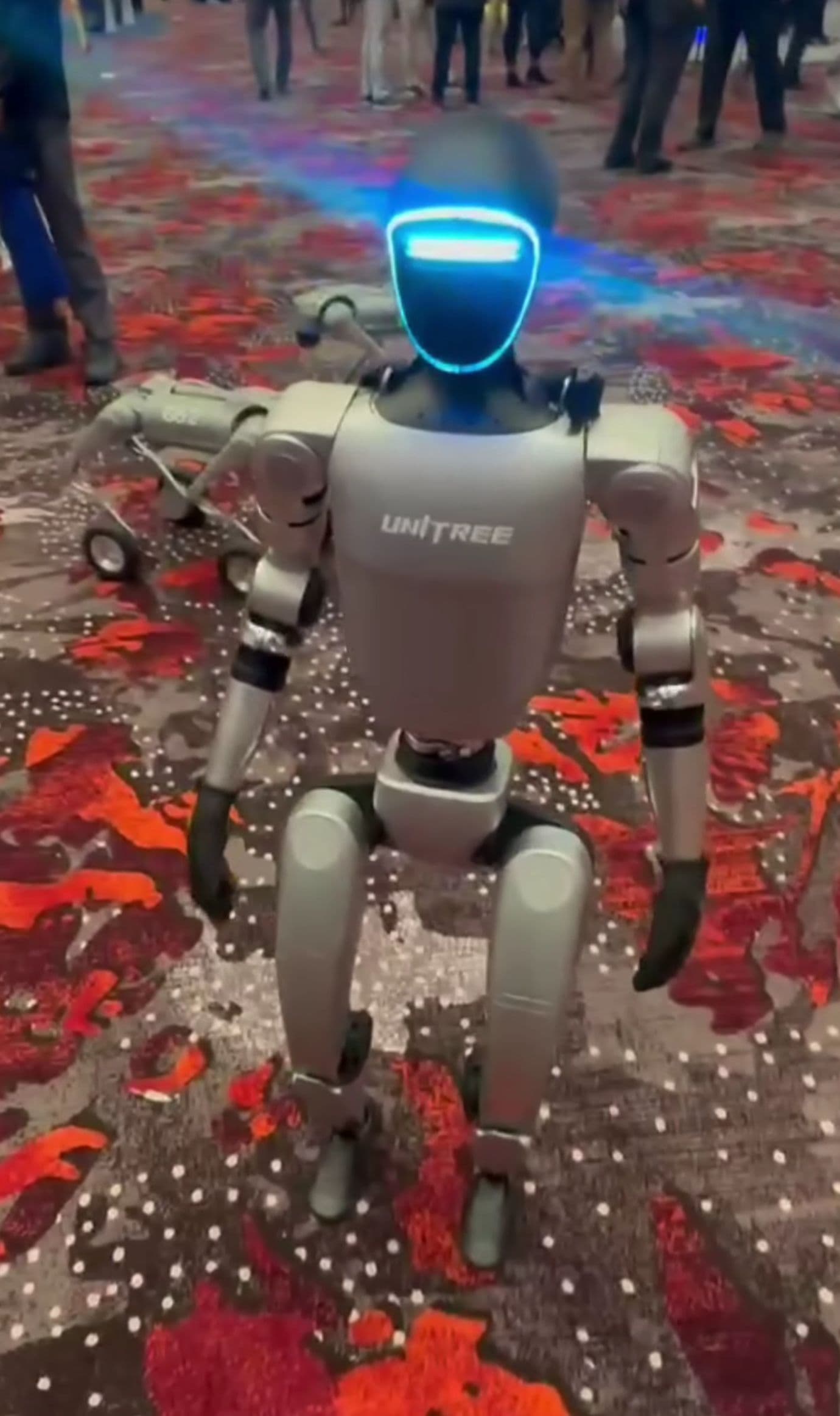
Lumi is an interactive humanoid robot developed by Lightberry for conversations, visitor guidance, entertainment and other interactions with people. It uses a Unitree G1 mechanical foundation with Lightberry's sensing hardware, computer and software. Lightberry advertises customization through spoken instructions and a software development kit.[1][2]
Hardware
Lightberry's hardware documentation describes Lumi as approximately 1.3 m tall, with 34 degrees of freedom. The joints include three degrees of freedom in the head, three in the torso, seven in each arm and six in each leg, plus one in each parallel-gripper hand.[2]
| Component | Published specification |
|---|---|
| Weight | Approximately 40 kg.[1] |
| Battery | 421 Wh; product page estimates 2.5-3.5 hours of operation.[1][2] |
| Computer | NVIDIA Jetson Thor T4000, 12-core Neoverse-V3AE CPU, 64 GiB unified memory and 500 GiB onboard storage.[2] |
| Cameras | 1920 x 1200 pixels per eye at 30 FPS; approximately 6.7 cm baseline.[2] |
| Motion sensing | Two IMUs, in the pelvis and chest.[2] |
| Audio input | Outward-facing eight-microphone array.[2] |
| User connections | Two USB 3.1 USB-C ports and one 10 Gb Ethernet port.[2] |
These figures describe Lightberry's published Lumi configuration, rather than every Unitree G1 variant.[2]
Software and extensions
Lumi divides its software between the robot and a cloud-based AI agent. The onboard software performs perception, navigation and actions. The cloud agent handles communication understanding and high-level planning. The documentation therefore does not describe a wholly offline planning system.[3]
The onboard operating system is a custom Linux build based on NVIDIA Jetson Linux 39.2. Lightberry recommends containers for user extensions, although extensions can also run directly in its operating system.[3]
Extensions execute on Lumi's computer and communicate with the host software through shared memory. They can subscribe to data streams, offer callable tools and supply information to the planning agent. The SDK provides Python and Rust interfaces; other languages can bind to the Rust SDK or use iceoryx2 directly.[4]
The documentation includes a coffee-dispenser extension that controls a pump over a serial connection, exposes a dispensing tool and reports the reservoir level to the planner. This is an integration example, rather than evidence that a coffee dispenser is standard hardware.[4]
Availability and regulatory status
On November 4, 2026, Lightberry listed reservations at US$39,990. Its October 30 announcement identified this price with the Founder Edition and stated a 2026 shipping plan.[1][5]
That announcement reported a conditional exemption from the FCC Covered List following a U.S. Department of War review. Lightberry linked the decision to its control over Lumi's sensors, computer and software, a plan to manufacture parts in the United States, and continued vetting. Its manufacturing plan begins with the body, head and hands; the announcement does not establish that all components are already manufactured domestically.[5]
In a November 2 interview with Humanoids Daily, CEO Ali Attar said the exemption allowed the company to apply for independent FCC certification before off-the-shelf customer sales. The reported Covered List exemption is therefore distinct from completed equipment authorization. That interview did not establish a granted certification or a firm shipment date.[6]
Continue reading
- Unitree G1The Unitree G1 is a compact, general-purpose humanoid robot developed by Unitree Robotics, a Chinese robotics company headquartered in Hangzhou, Zhejiang.Mentioned twice above
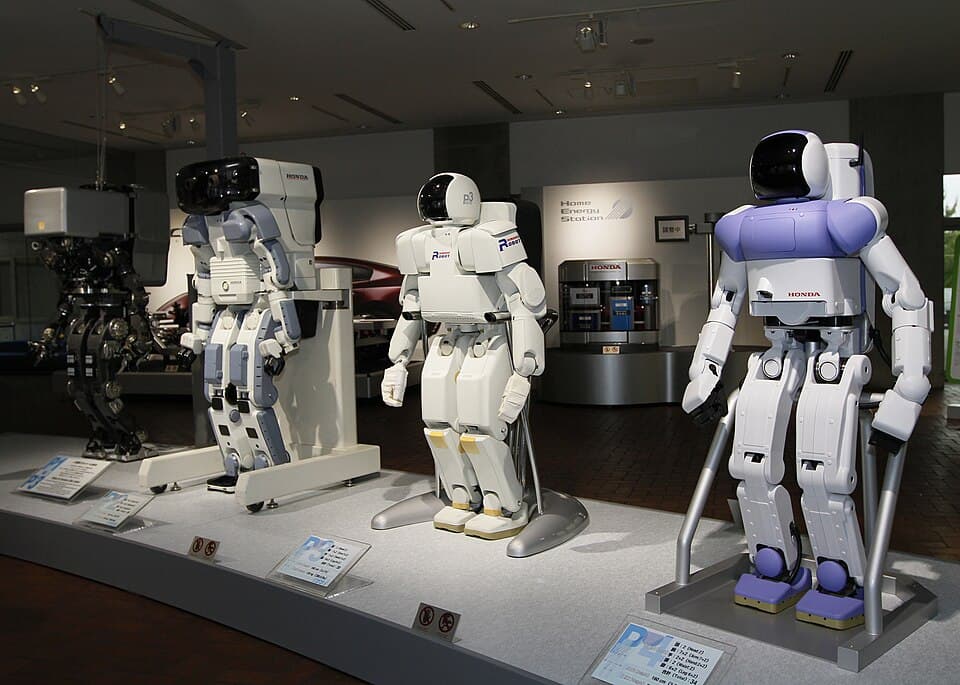
- Humanoid Robot"Humanoid" redirects here. For the London-based robotics company, see Humanoid (company).Linked in the introduction
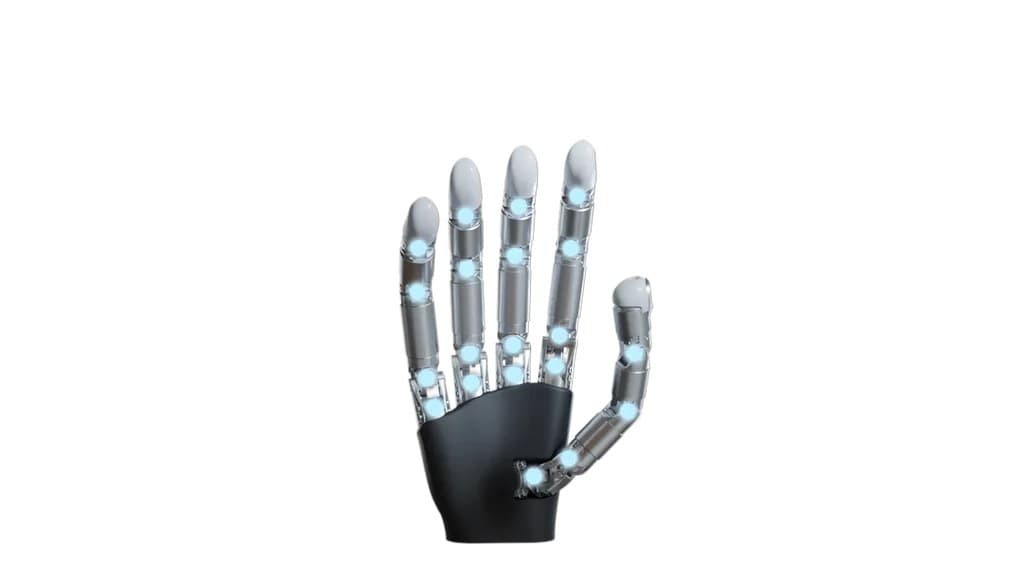
- Dexterous handA dexterous hand (also called a dexterous robotic hand or multi-fingered robot hand) is an anthropomorphic end effector that reproduces the grasping, in-hand manipulation, and tactile perception of the human…Also in Robot Hardware
- Wuji HandThe Wuji Hand is a five-finger dexterous hand developed by Wuji Tech, a Chinese robotics company that grew out of the Shanghai motor maker Pan Motor.Also in Robot Hardware
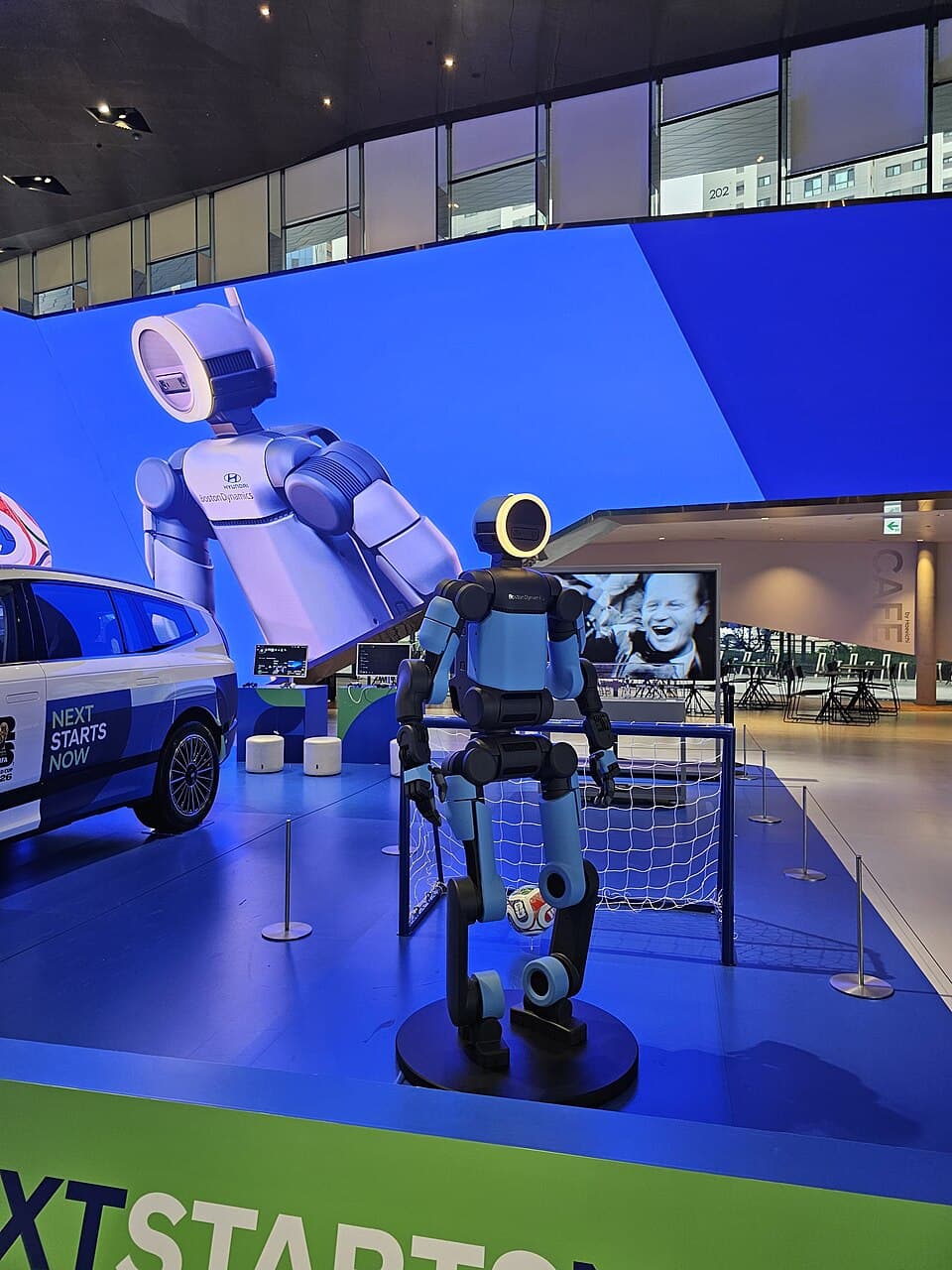
- Atlas Electric (Boston Dynamics)Atlas Electric is the all-electric, production-grade humanoid robot designed and manufactured by Boston Dynamics.Also in Robot Hardware
- Berkeley Humanoid LiteBerkeley Humanoid Lite is an open-source humanoid robot research platform developed at the University of California, Berkeley.Also in Robot Hardware
More to read
References
- ^1 ^2 ^3 ^4Lightberry. Meet Lumi. Product description, specifications and reservation price. Accessed November 4, 2026.
- ^1 ^2 ^3 ^4 ^5 ^6 ^7 ^8 ^9Lightberry. Hardware. Mechanical foundation, sensing, computing and connections. Accessed November 4, 2026.
- ^1 ^2Lightberry. Software overview. Local and cloud architecture, operating system and extension deployment. Accessed November 4, 2026.
- ^1 ^2Lightberry. Writing extensions. SDK interfaces, shared-memory communication and integration example. Accessed November 4, 2026.
- ^1 ^2Lightberry. October 30 approval announcement. Company account of conditional Covered List exemption, manufacturing commitments and Founder Edition plans. October 30, 2026.
- ^P.A. Lightberry's Lumi Gains Conditional FCC Covered List Exemption. Humanoids Daily, November 2, 2026. Includes interview with Ali Attar distinguishing the exemption from further certification.
Improve this article
Add missing citations, update stale details, or write a clearer explanation. Anyone can edit: changes go live when you publish, and every edit is checked by an editor.
1 revision · v1 · 625 words · full history
Fact-checks are independent of edits: a reviewer re-verifies the article against its sources and stamps the date. How we verify
Research and drafting on this wiki are AI-assisted, under named human editorial standards. How AI is used here
Cite this page: AI Wiki. "Lumi (Lightberry)." aiwiki.ai, updated 4 Nov 2026. CC BY 4.0. https://aiwiki.ai/wiki/lumi_lightberry